


Fangting Shuiyuan: A New Cultural Landmark in the Yangtze River Delta
2025-07-10Views: 4690次
Fangting Water Courtyard is a key project of the Water Town Living Room, located in the Yangtze River Delta Eco-Green Integrated Development Demonstration Zone. Its main building spans Shanghai, Jiangsu and Zhejiang provinces and crosses the Taipu River. The Shanghai Pavilion sits in Qingpu, Shanghai.The Jiangsu Pavilion is located in Wujiang, Jiangsu.Both the Zhejiang Pavilion and Anhui Pavilion are in Jiashan, Zhejiang. The four spaces are connected by three pedestrian bridges. It is China’s first building project that stretches across three provincial-level regions.
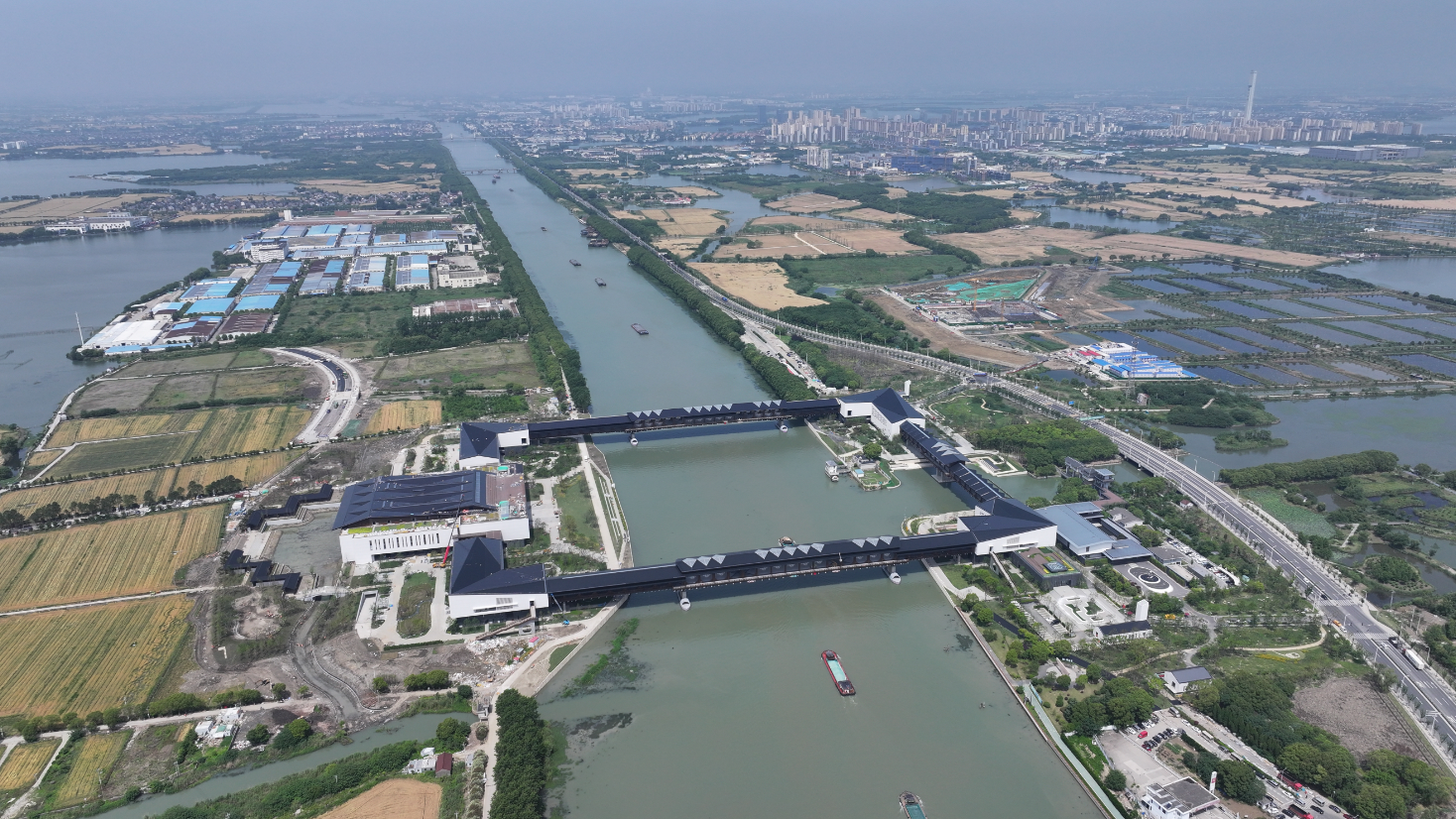
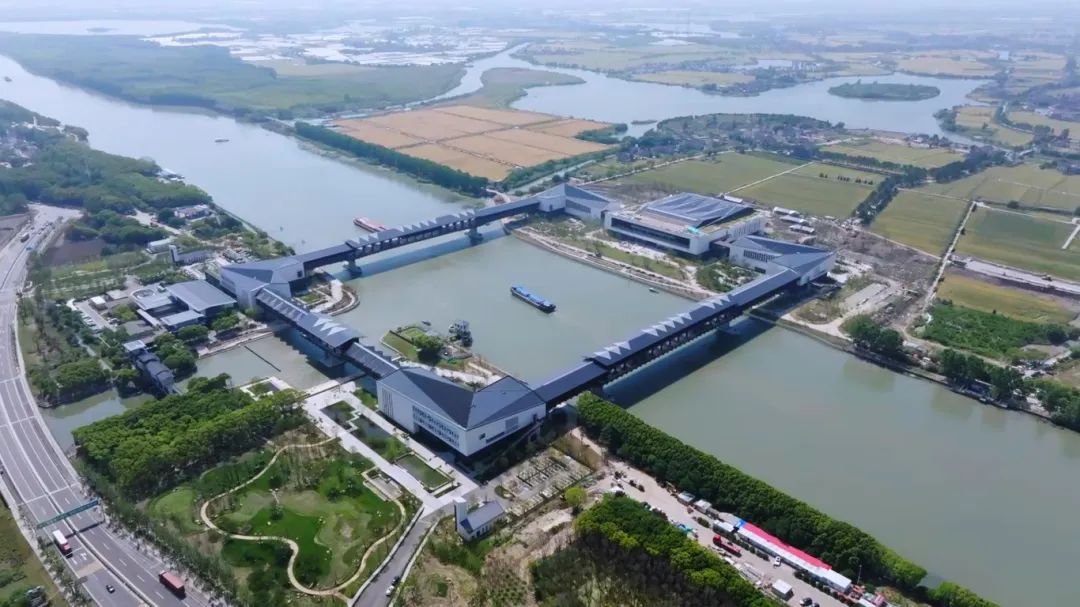
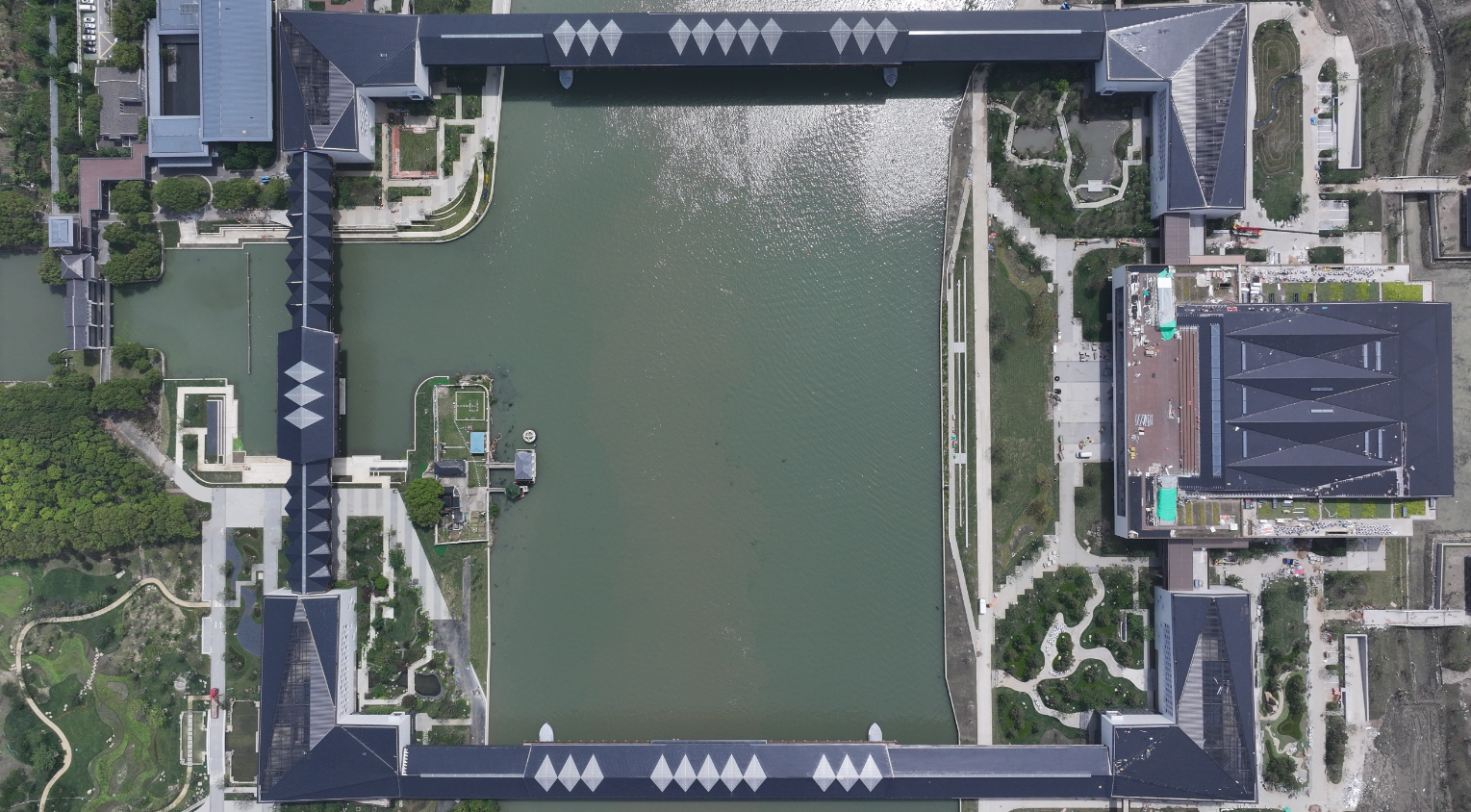
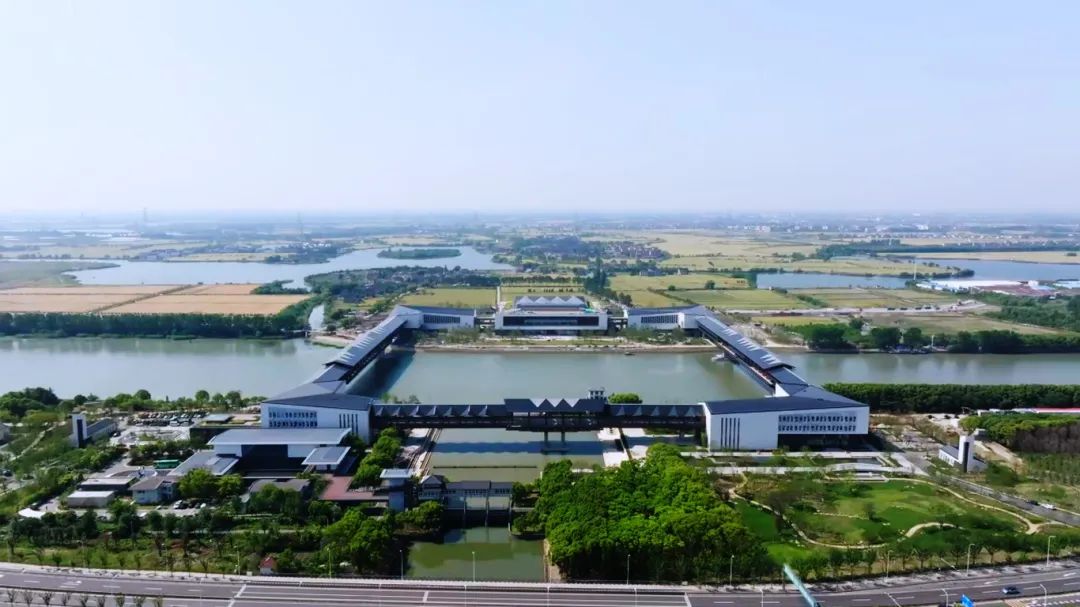
Seen from an aerial view, the building complex adopts the layout of a traditional Chinese quadrangle courtyard. With an innovative design concept of "One Courtyard, Three Realms · Coexistence of Four Symbols", the four main buildings share largely the same general layout,each housing themed exhibition spaces for Shanghai, Jiangsu, Zhejiang and Anhui respectively. The main hall is situated between the Zhejiang Pavilion and the Anhui Pavilion.
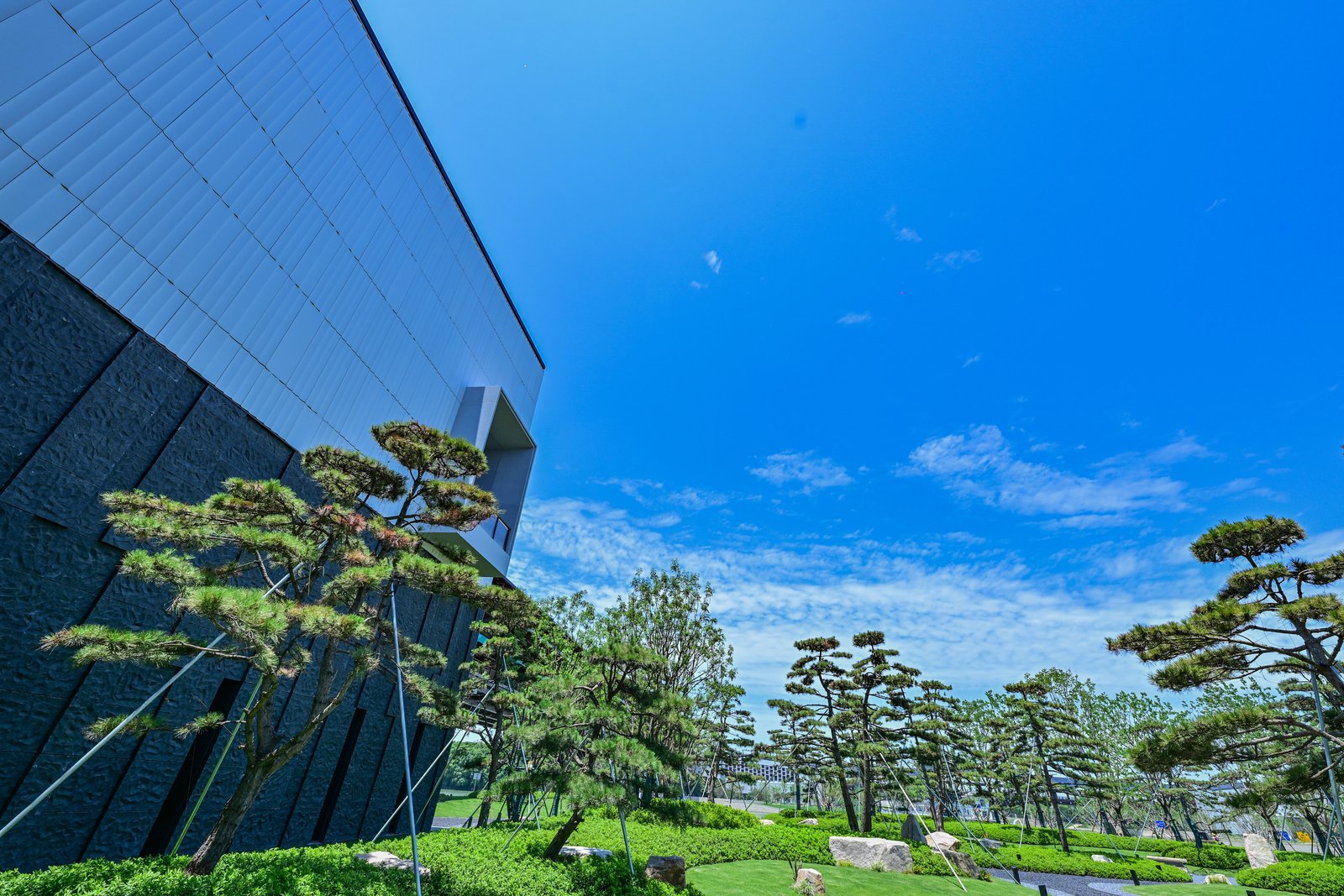
From an aerial view, the building complex adopts the layout of a traditional Chinese quadrangle courtyard and integrates the new Jiangnan architectural style. With a total construction area of approximately 104,000 square meters, Fangting Water Courtyard takes "Fangting (Square Hall)" to imply the ancient Chinese concept of "Heaven is round and Earth is square", while "Shuiyuan (Water Courtyard)" echoes the characteristics of Jiangnan water towns. The main hall is arranged along the central axis, with themed pavilions of Shanghai, Jiangsu, Zhejiang and Anhui standing at the four corners respectively. Connected across the river by three pedestrian bridges and corridors, it forms a slow-traffic system enabling "traveling through Shanghai, Jiangsu and Zhejiang in 15 minutes".
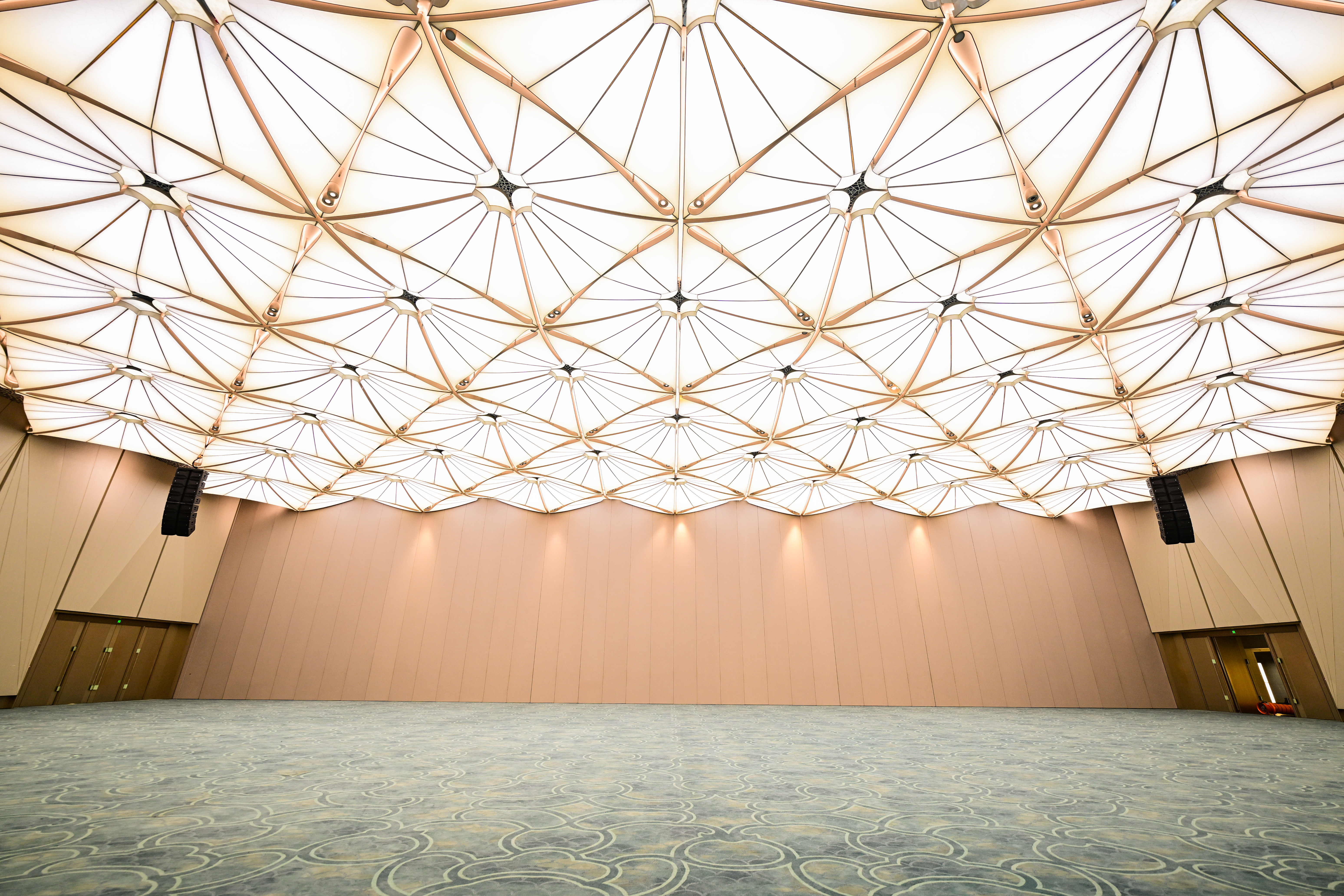
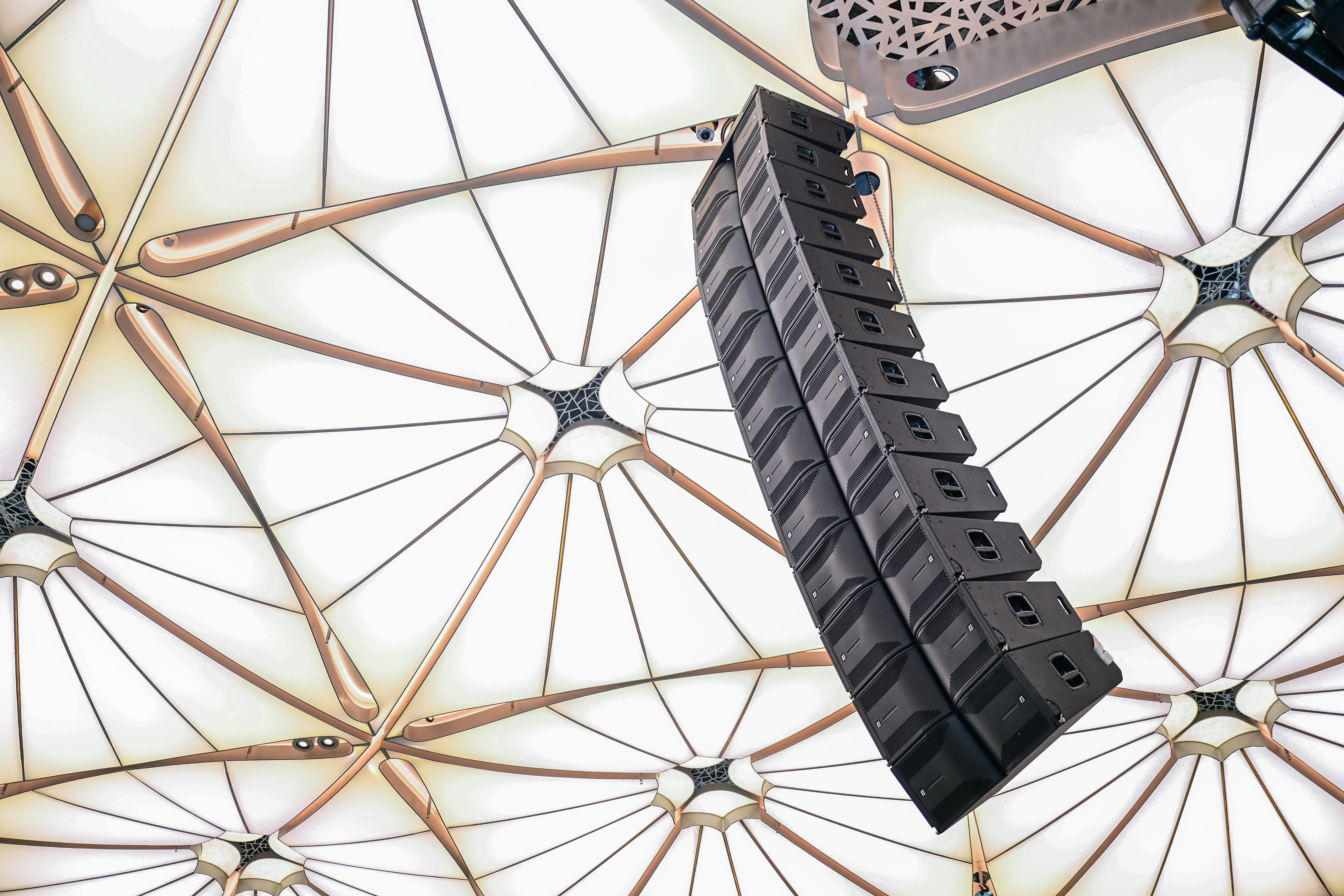
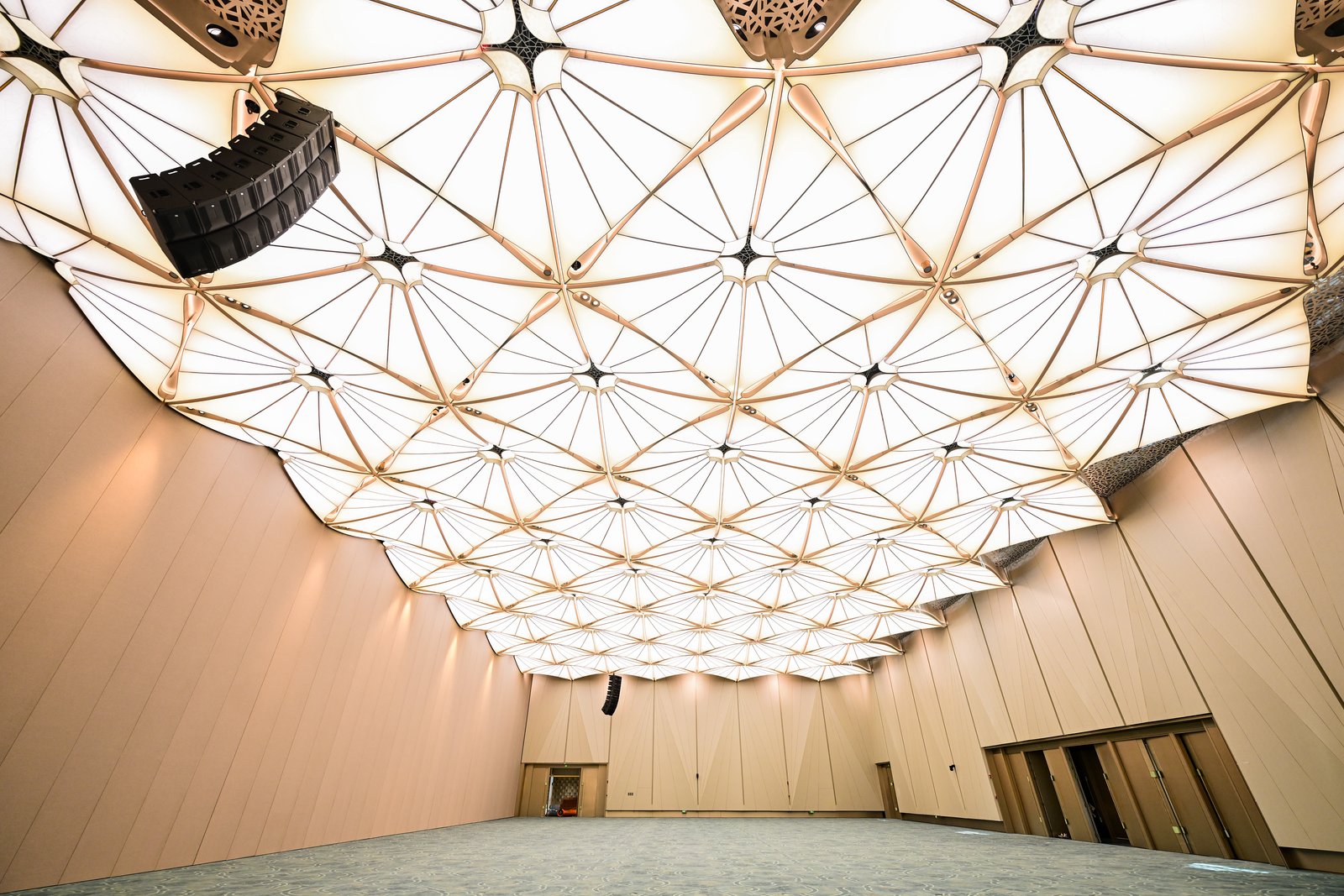
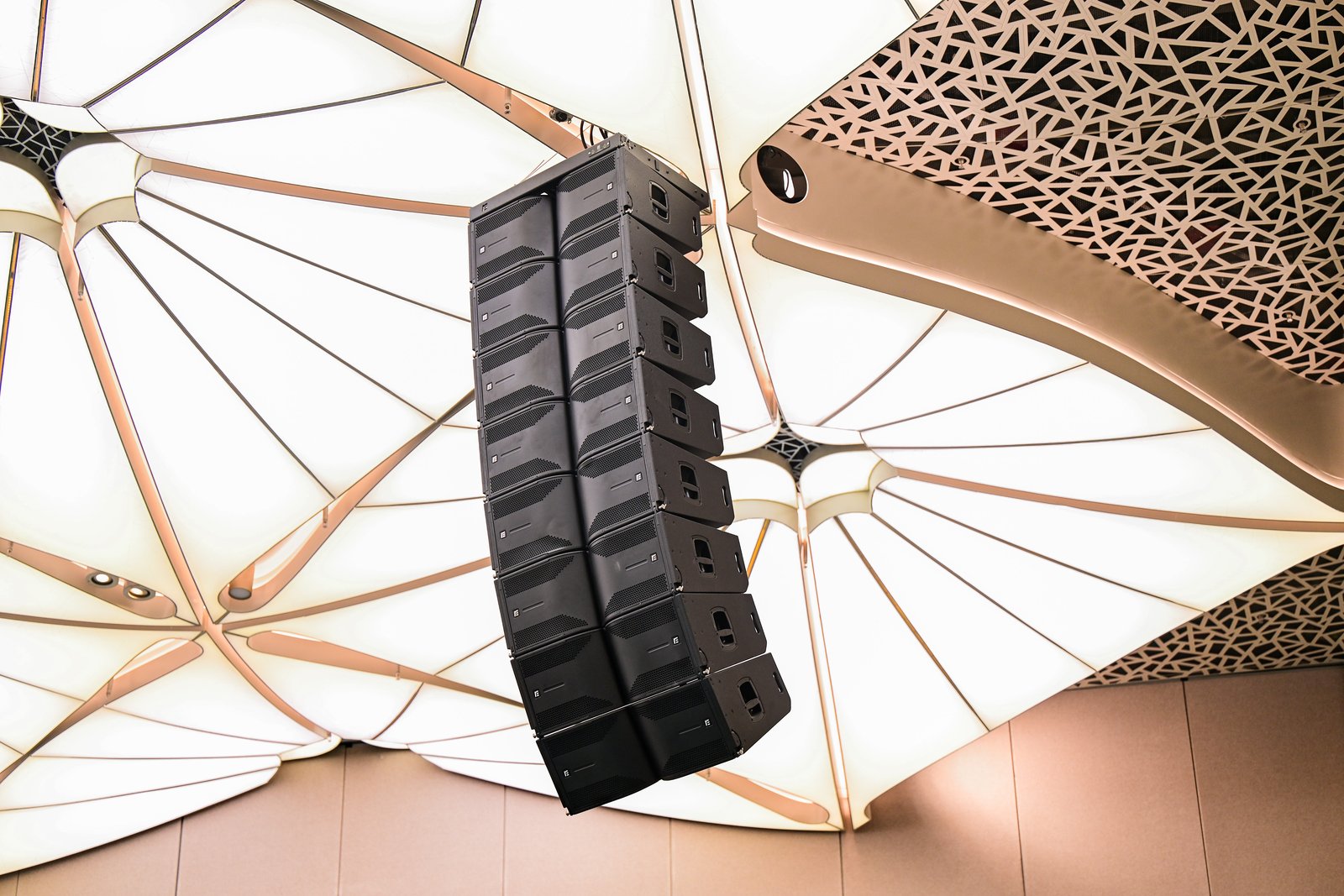
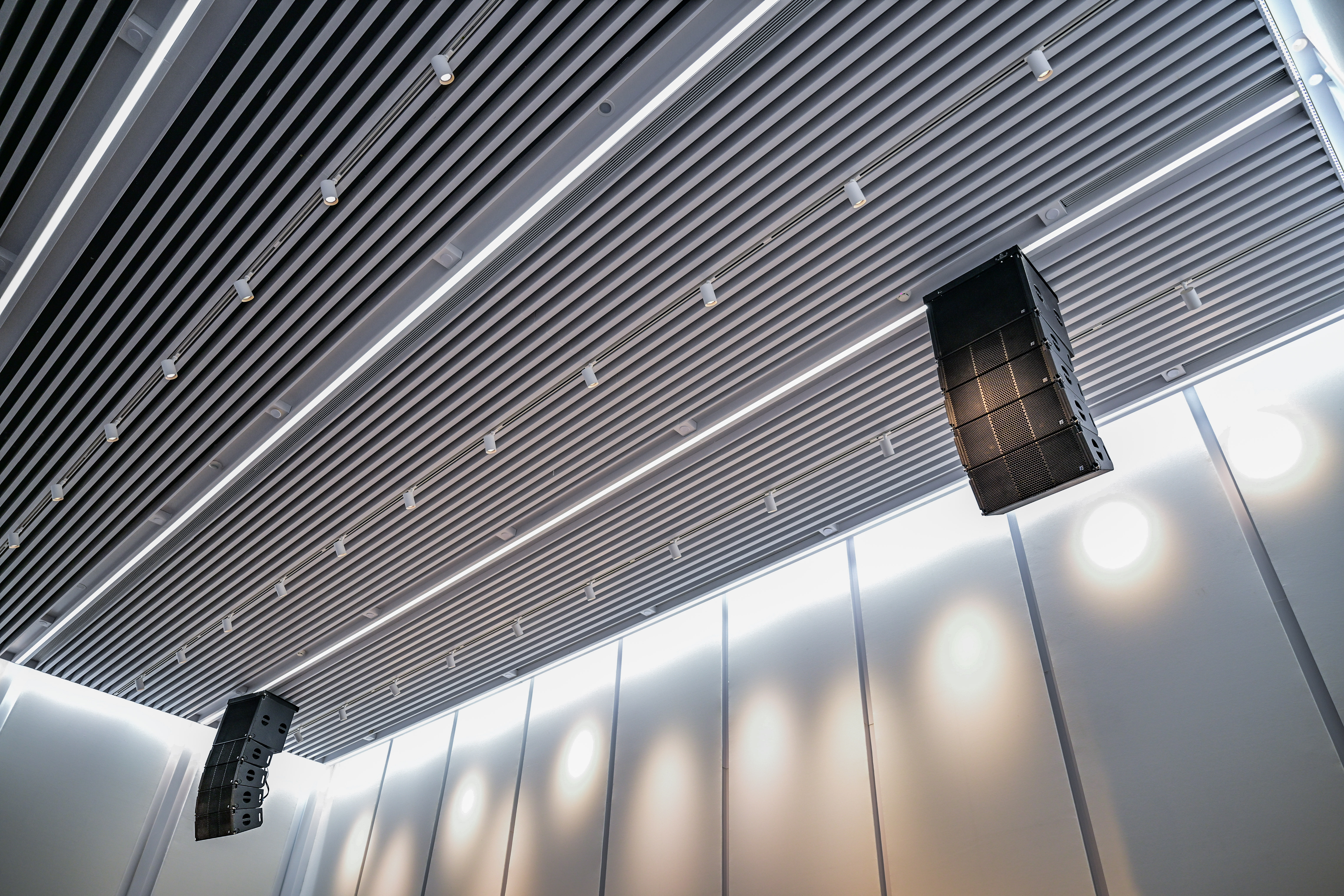
▲LUCA 12 double 12-inch three-way tri-amp line array speaker
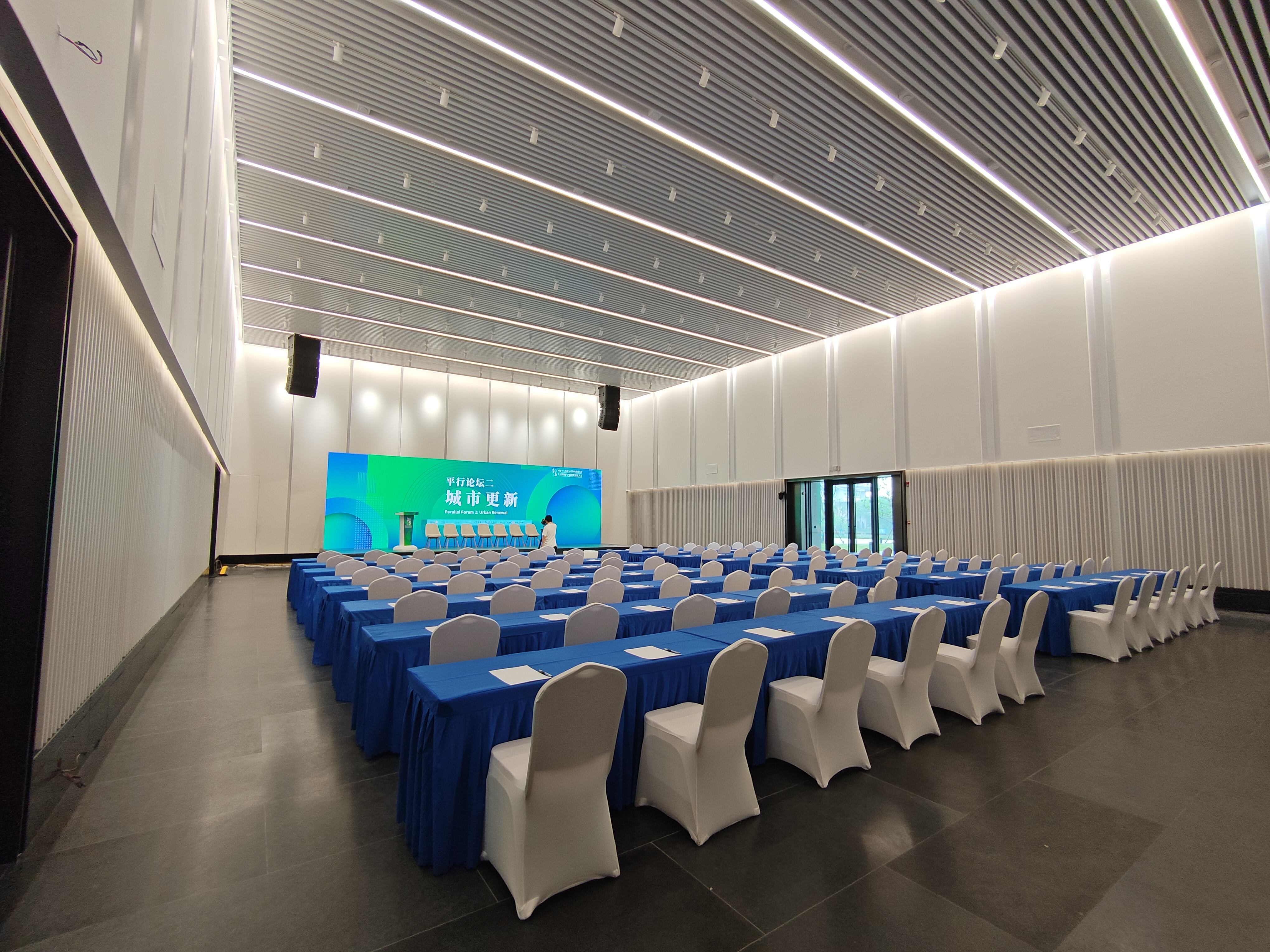
The main hall of Fangting Water Courtyard is equipped with 64 units of Ruifeng LUCA 12 dual-12-inch three-way three-driver line array loudspeakers. The LUCA 12 features a three-way three-driver coaxial mid-high frequency design, paired with an innovative (SIW) streamlined isophase waveguide horn adopting an optimized path design. It delivers precise coverage of 100° horizontal and 10° vertical dispersion. The LUCA 12 meets the main hall’s requirements for even sound field distribution, high resolution and dynamic performance. Meanwhile, it offers flexible mounting and expansion solutions to guarantee stability and reliability for long-term operation.
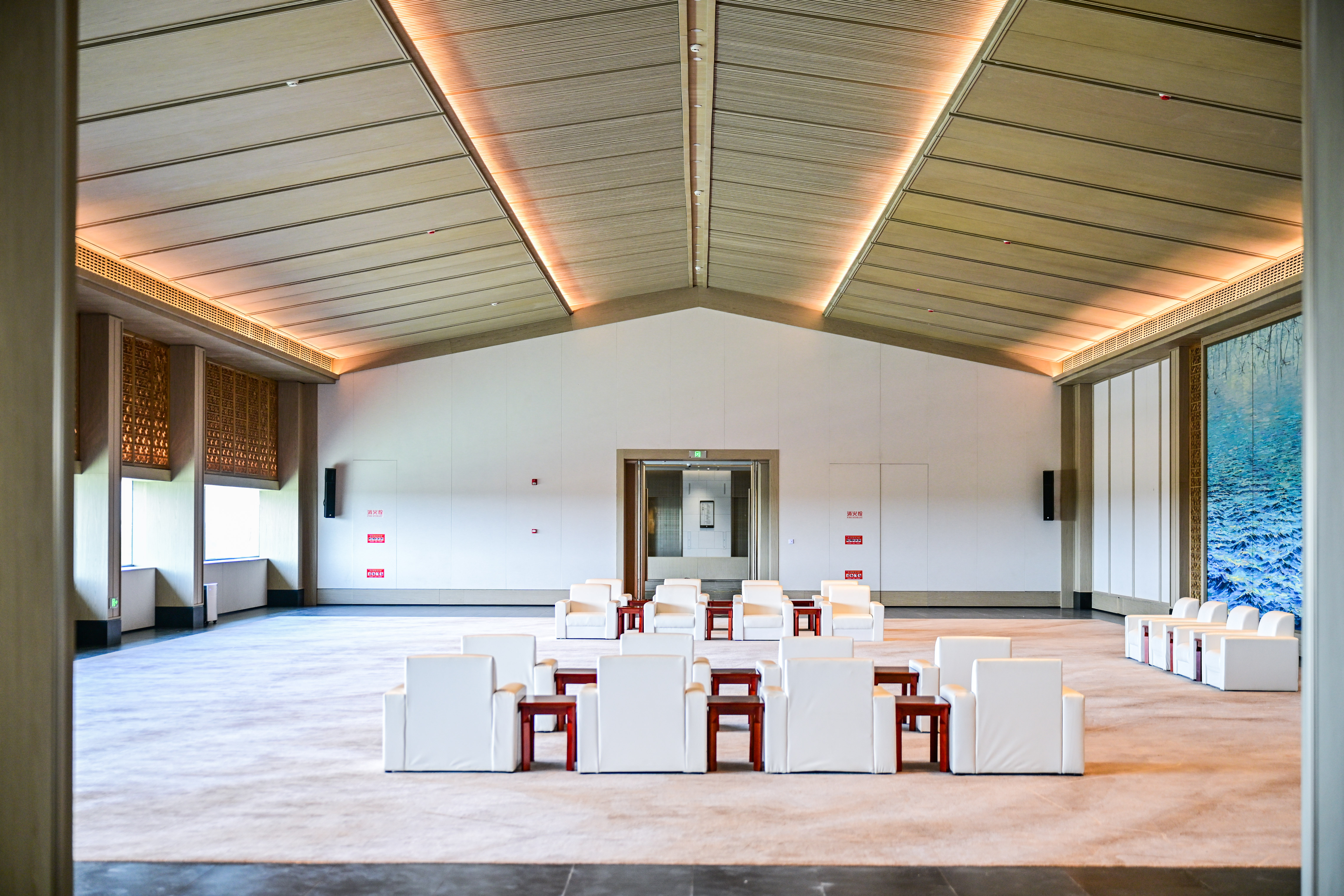
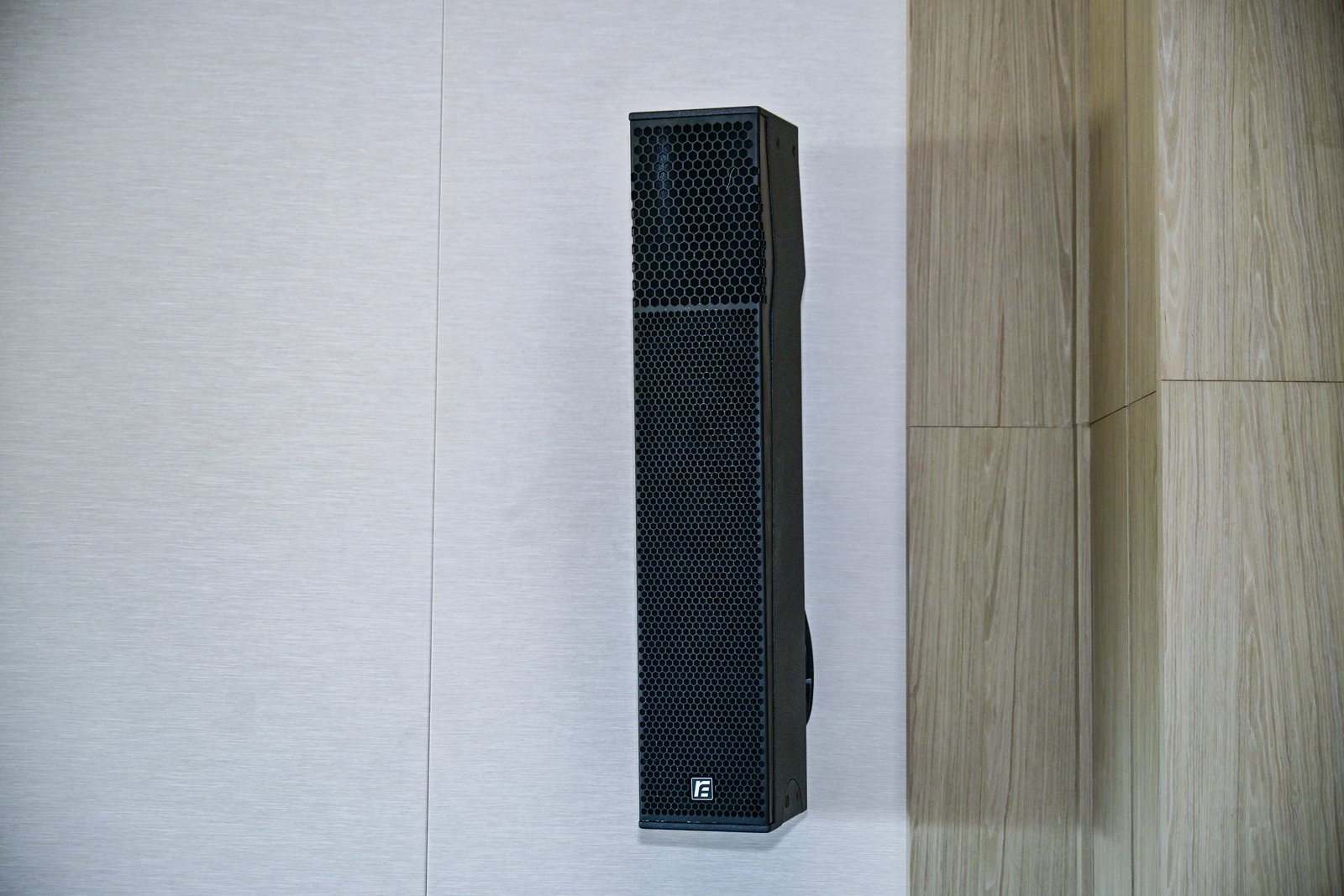
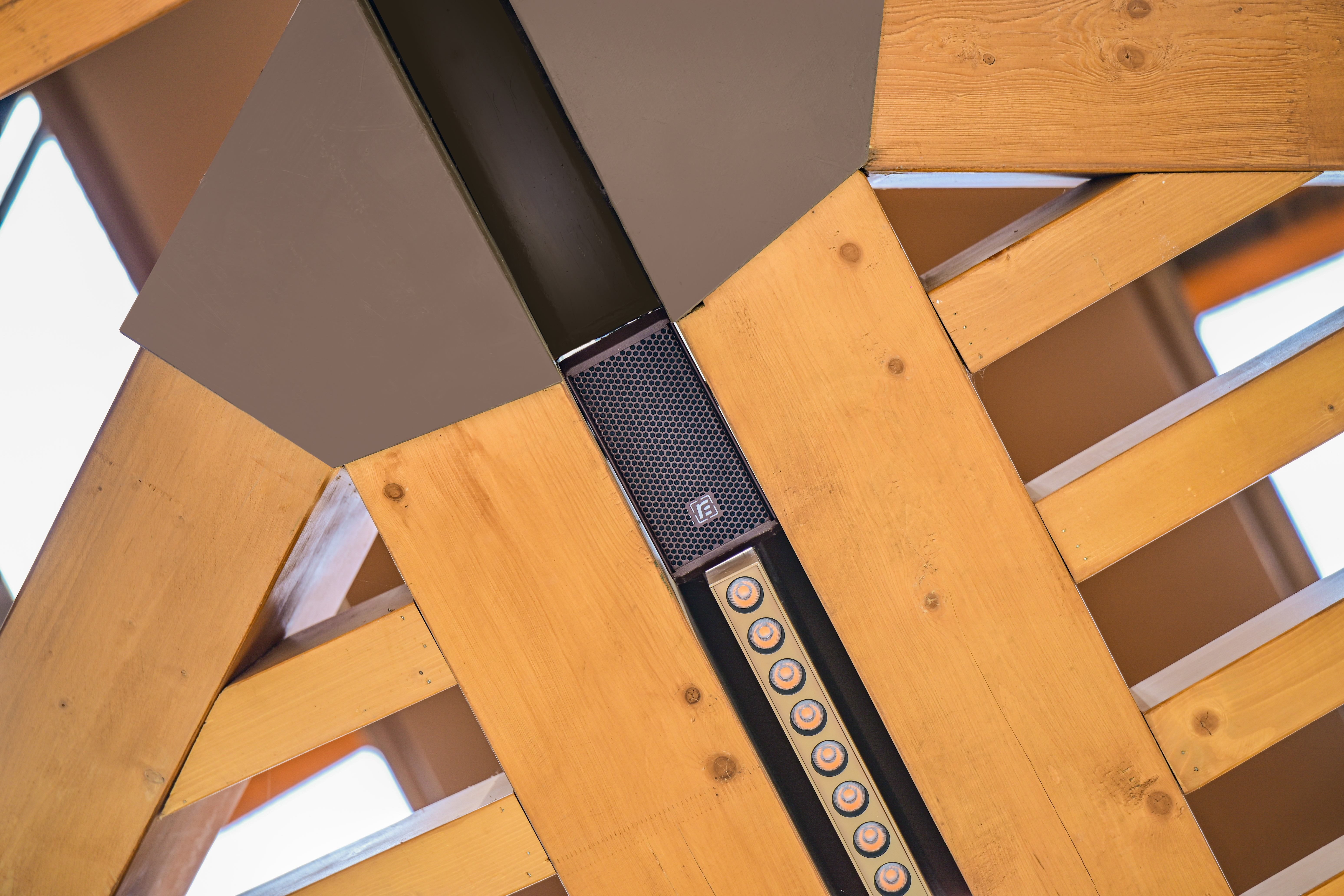
▲NOVI mini column speaker
The Shanghai Pavilion of Fangting Water Courtyard incorporates Shikumen design elements. The Jiangsu Pavilion draws inspiration from Suzhou classical gardens. The Zhejiang Pavilion takes landscape scroll paintings as its inspiration, while the Anhui Pavilion showcases the scenery of Huangshan pine trees, embodying distinctive regional cultural features.
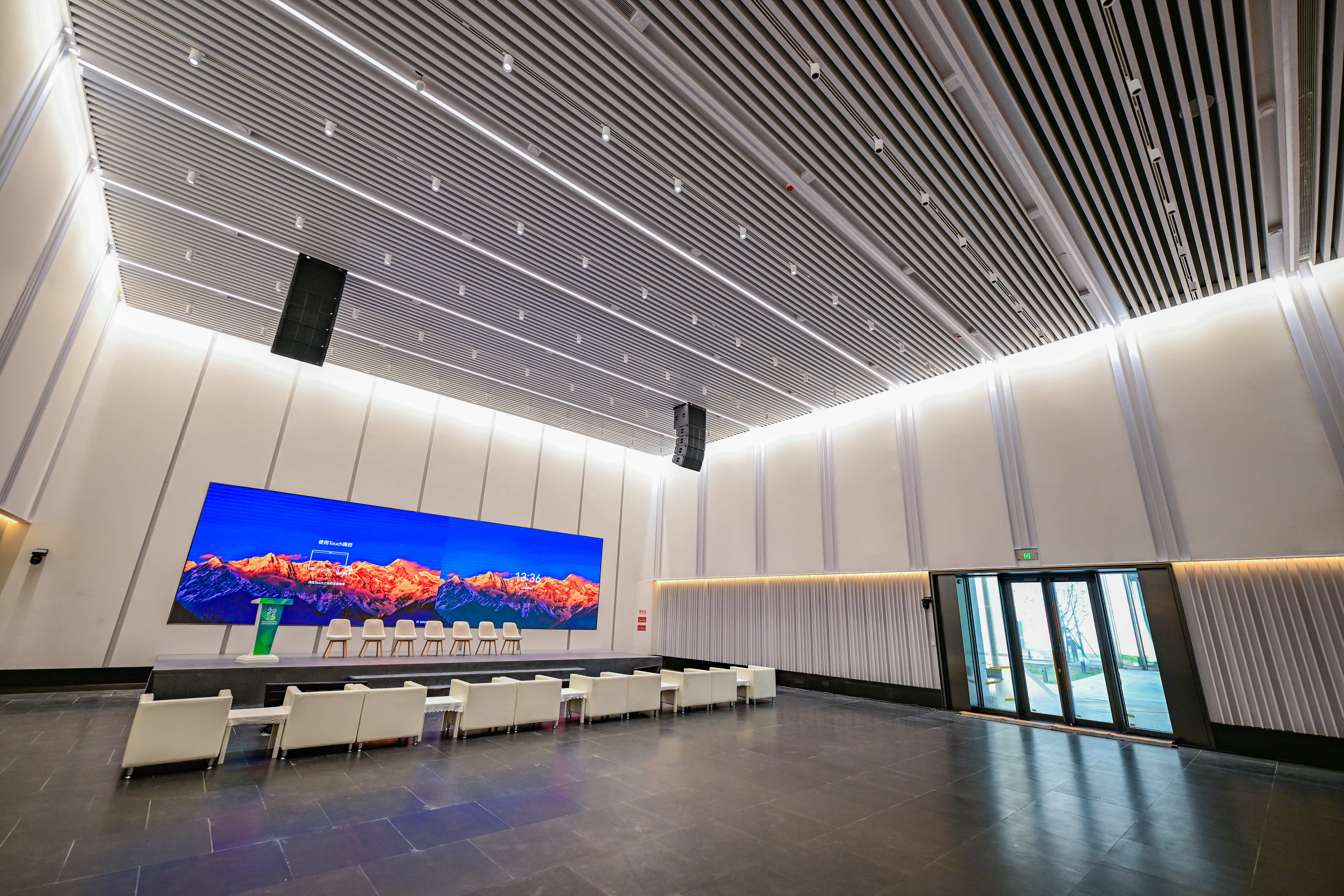
All four themed pavilions (Shanghai, Jiangsu, Zhejiang and Anhui) at Fangting Water Courtyard adopt the Ruifeng VK210 & WA18H line array loudspeaker system. As an upgraded and optimized model of the VK series, the VK210 features a dual-10-inch two-way two-driver design. Equipped with carefully selected high-efficiency components, it maintains low distortion under high-power operation and delivers optimally consistent acoustic performance across the listening coverage area. This is particularly critical for scenarios in the four pavilions requiring clear reproduction of speech, music and other audio content.
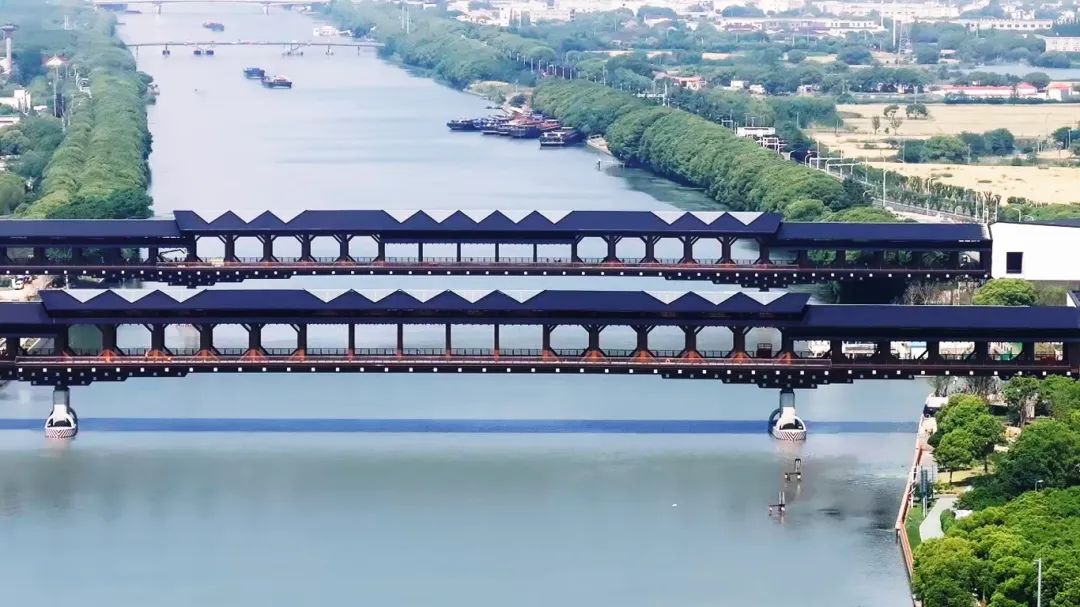
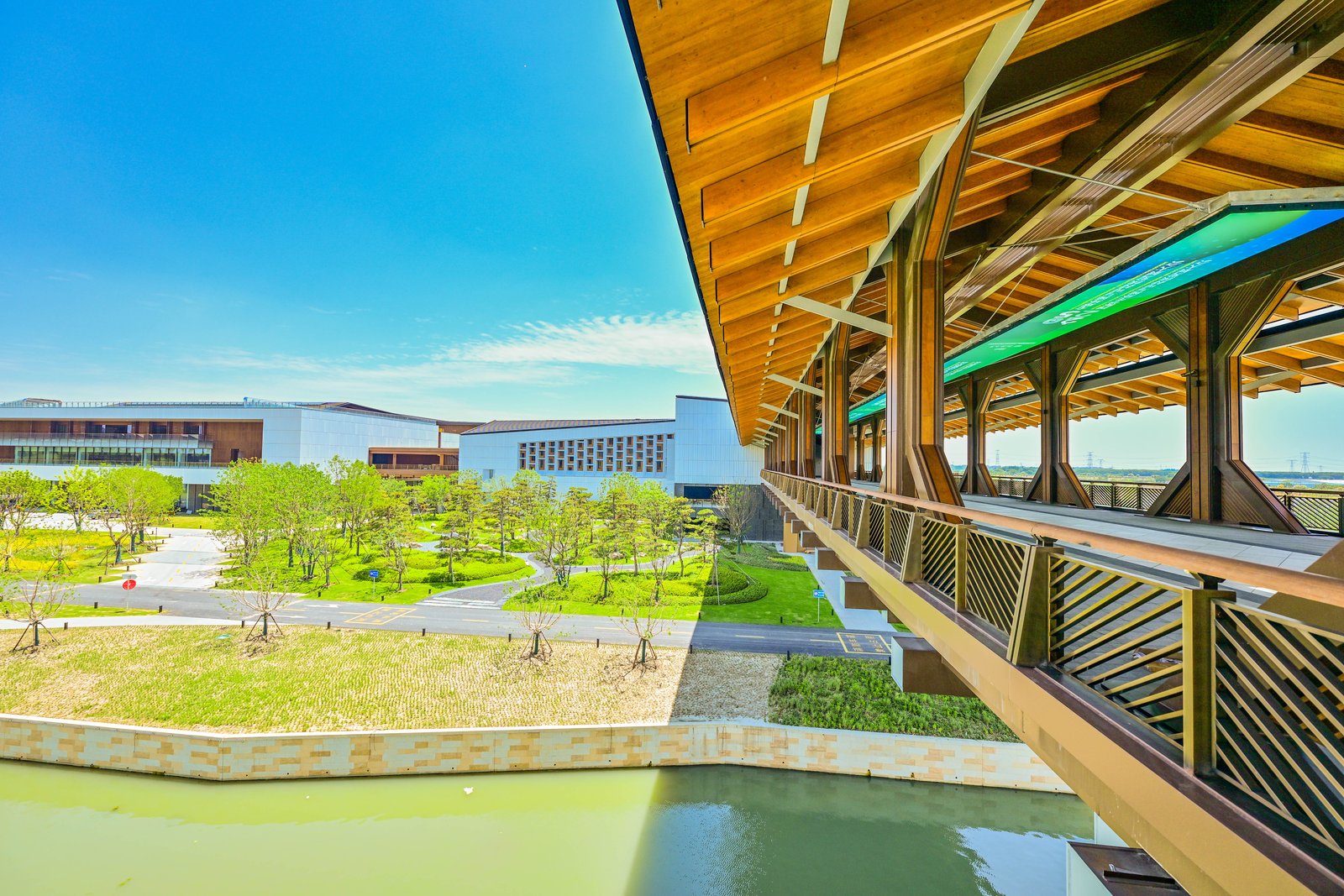
The three river-crossing covered bridges of Fangting Water Courtyard all draw on traditional Chinese dougong bracket craftsmanship. Not a single screw is used on the steel beams of these covered bridges; all connections are completed via steel structure welding technology. This design improves the strength of the steel framework and further enhances the stability, durability and safety of the bridge structures, effectively extending their service life. They constitute the first bridge structures nationwide that adopt traditional Chinese architectural dougong forms together with an all-steel welded construction method.
Related Cases
-
2022 Weibo Film Event to Transmit the Dream of Lights and Shadows
-
Brighter the Future|Ruifeng Intelligence “RF” and “VK” Brand Contribute to The 36th Popular Film Hundred F
-
The New Asian Games Stadium- Fuyang Yinhu Sport Center, Showing the Beauty of the Scenery
-
Sheyang Acrobatics Art Center Chooses Ruifeng Audio

Service Hotline
020-39280043
- Product
- Microphones and Conference System
- Smart Education System
- Intelligent System
- Professional Sound Reinforcement
- Cases
- Theme Park
- Church
- Hotels
- Hospital
- Education
- Government Office
- Theaters、Operas
- Cultural and creative industries
- Stadiums
- Join us
- Talent concept
- Job
-

Official WeChat
-

Mobile website
-

Enterprise Tiktok